Learn French with confidence.
Practical grammar, vocabulary, exam guides, and real-life French for every level.

French Shadowing vs Listening Practice: What Actually Works at Each Level
Passive listening and active listening are not the same thing. Here is how to use each one strategically depending on your French level.
Read article →Not sure about your French level?
Take our free level test and get a personalized study plan.
Take the level test →Latest Articles
French Passive Voice: How It Works and When to Actually Use It
A clear guide to forming and using the French passive voice, including when to swap it for 'on' or a reflexive verb instead.
French Accent Marks: What They Do and How to Stop Ignoring Them
A clear, practical guide to all five French accent marks, what they do to pronunciation and meaning, and how to remember them without memorizing rules by rote.
French Passé Composé vs Futur Simple: How to Choose the Right Tense
A practical guide to choosing between passé composé and futur simple, with rules, example sentences, a comparison table, and a self-test quiz.
French Prepositions à and de: When to Use Each One (With Examples)
A clear, example-driven guide to the most confused French prepositions: à and de, covering location, ownership, purpose, and verb patterns.

French Imparfait Uses: When to Use It Beyond the Past Tense
A practical breakdown of every situation where the French imparfait is used, including past habits, descriptions, polite requests, and hypothetical phrases.
French Negation: How to Say No, Never, Nothing, and More
A clear, level-by-level guide to French negation: ne...pas, ne...jamais, ne...rien, ne...plus, and the spoken shortcuts you actually need.
French Relative Clauses: How to Use Qui, Que, Dont, and Où
A clear, practical guide to French relative pronouns: when to use qui, que, dont, and où, with examples and a comparison table.
French Futur Simple vs Futur Proche: Which One to Use and When
A clear breakdown of when French uses the futur proche versus the futur simple, with formation rules, real examples, and common mistakes to avoid.
French Shadowing: How to Use It and Whether It Actually Works
A practical, honest breakdown of French shadowing: what it is, how to do it correctly at A2–C1, and when it helps versus when other methods work better.
French Depuis vs Pendant vs Il Y A: How to Talk About Time
A clear, example-driven guide to trois tricky French time expressions: depuis, pendant, and il y a, with rules and a comparison table.
French Partitive Articles: When to Use Du, De la, De l', and Des
A clear, example-driven guide to French partitive articles: when to use du, de la, de l', and des, and when to replace them with de alone.
French Object Pronouns: How to Use le, la, les, lui, leur (With Examples)
A clear, example-driven guide to French direct and indirect object pronouns, including word order rules, common mistakes, and how to use them in real sentences.
French Prepositions of Time: How to Use En, Dans, Pendant, and Pour
A clear, example-driven guide to the four French time prepositions that trip up learners: en, dans, pendant, and pour.
French Linking Words: How to Connect Ideas Beyond 'Et' and 'Mais'
A practical guide to French discourse connectors and linking words, showing exactly which ones to learn at each level and how to use them correctly.
French Subjonctif vs Indicatif: How to Know Which Mood to Use
A practical guide to choosing between the French subjunctive and indicative moods, with trigger rules, examples, and a comparison table.
French Irregular Verbs: The 15 You Actually Need to Know
Not all French irregular verbs are equally important. This guide covers the 15 high-frequency ones you need first, with patterns and conjugation tables.
French Possessive Adjectives: Mon, Ma, Mes and Every Form Explained
A clear breakdown of every French possessive adjective form, the gender and number rules, the vowel exception, and common mistakes to avoid.
French Reading vs Listening: Why the Gap Exists and How to Close It
If you can read French well but struggle to understand spoken French, here is exactly why that gap exists and what to do about it.
French Verb Tenses: Which Ones You Actually Need at Each Level
A level-by-level breakdown of which French verb tenses to learn first, which to skip for now, and how to stop wasting time on grammar you don't need yet.
French B1 to B2: The Exact Grammar and Vocabulary Gaps You Need to Close
A concrete breakdown of the grammar structures and vocabulary range that separate B1 from B2 French, with a clear study plan to close the gap.
French B2 Vocabulary: How Many Words You Need and How to Learn Them
Find out exactly how many words you need for French B2, which ones to prioritize, and the most efficient methods to build your vocabulary to that level.
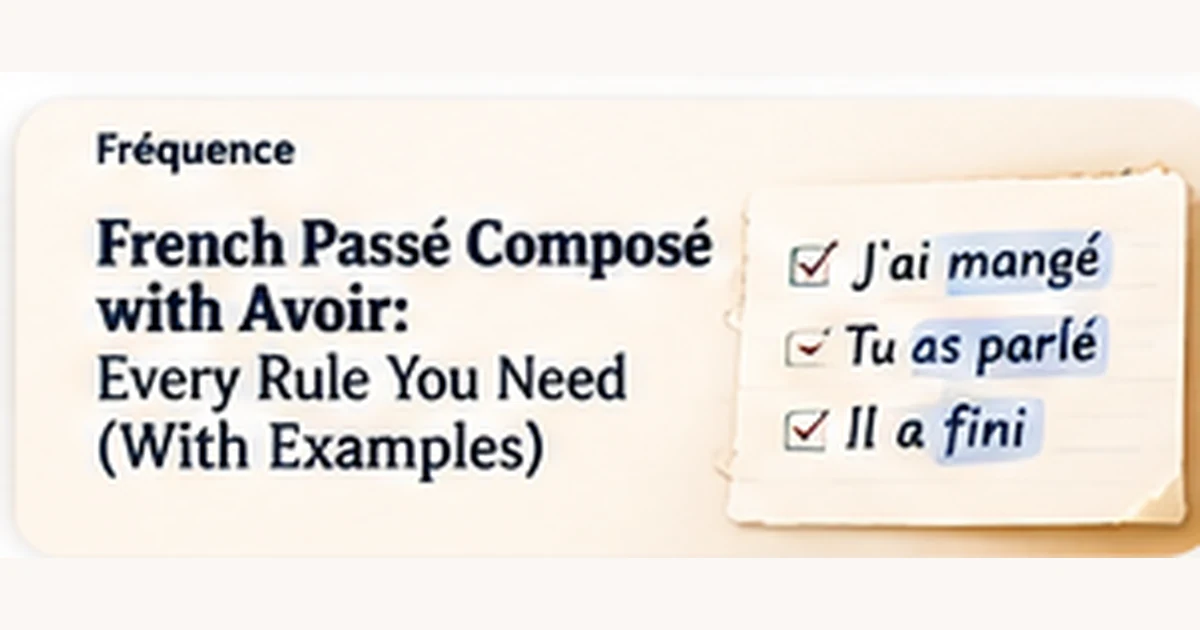
French Passé Composé with Avoir: Every Rule You Need (With Examples)
Learn exactly how to form and use the passé composé with avoir in French, including past participle agreement rules and the most common irregular participles.
French A2 to B1: What Actually Changes and How to Get There
Stuck at A2 French and not sure what B1 actually requires? Here is exactly what changes between the two levels and the most effective steps to close the gap.
French C1 vs B2: What Actually Separates Them (and How to Get There)
Understand exactly what skills, vocabulary, and grammar separate B2 from C1 French, how long the jump takes, and what study methods actually work.
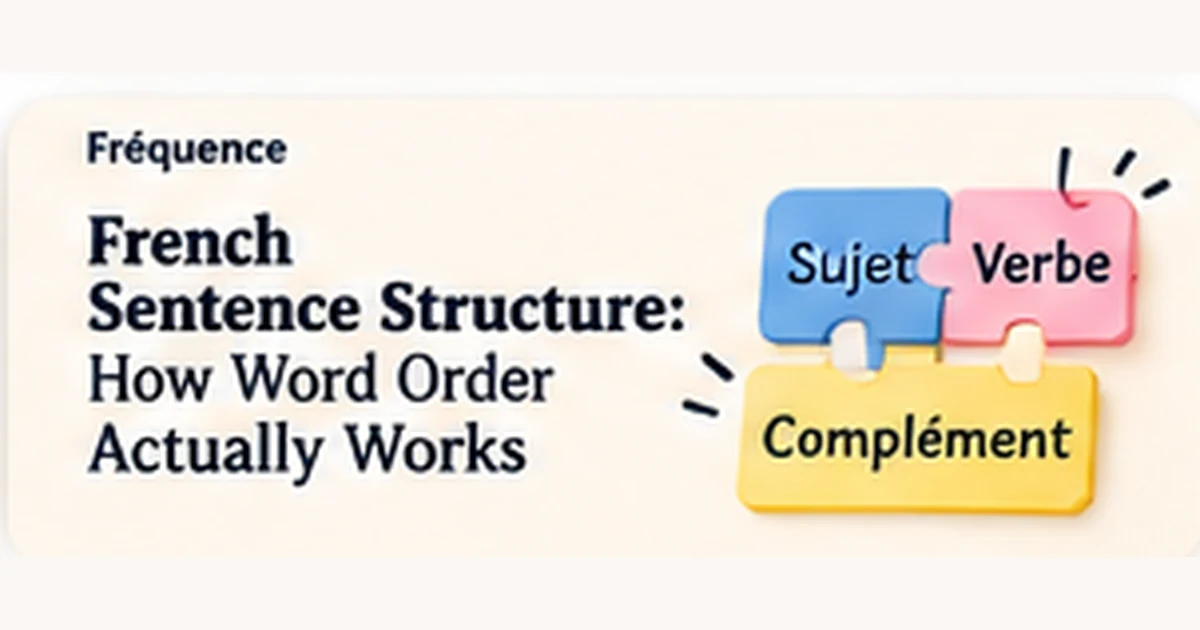
French Sentence Structure: How Word Order Actually Works
French word order follows predictable rules once you see the patterns. Here is how French sentence structure actually works, from basic SVO to pronouns, negation, and questions.
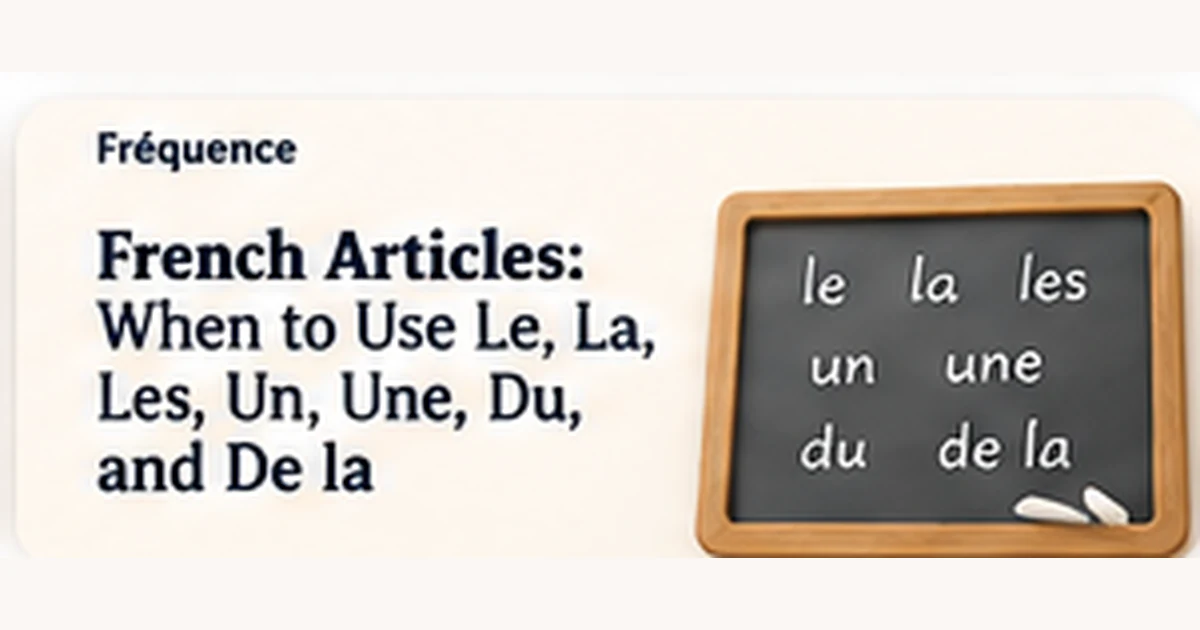
French Articles: When to Use Le, La, Les, Un, Une, Du, and De la
A clear guide to French definite, indefinite, and partitive articles, with rules, examples, and the most common mistakes English speakers make.
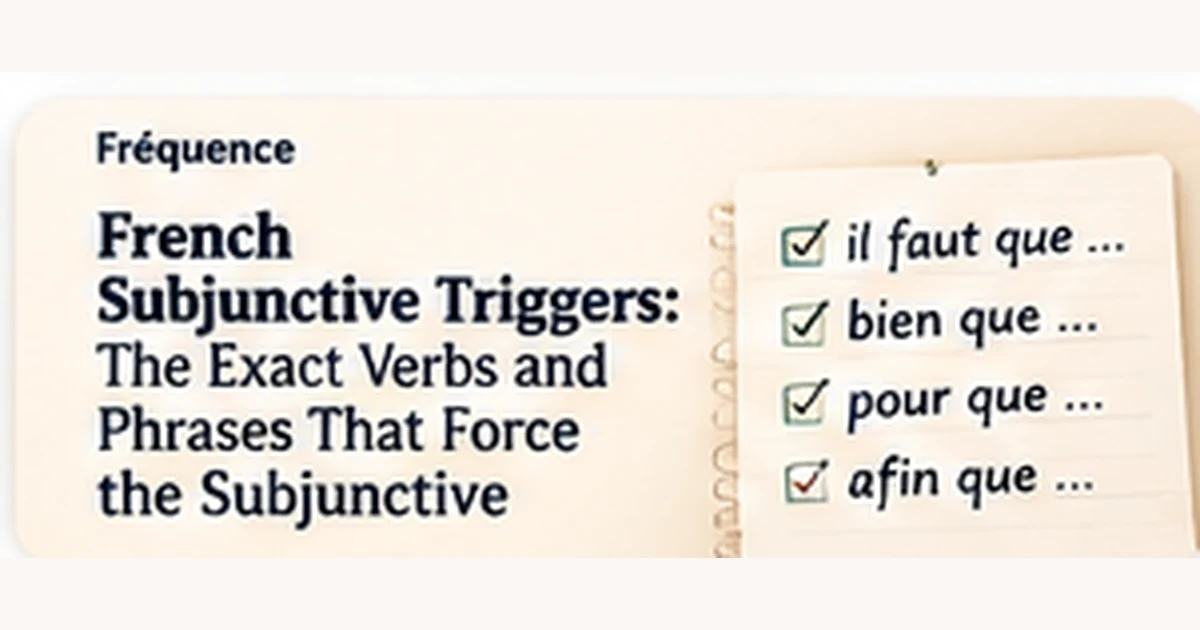
French Subjunctive Triggers: The Exact Verbs and Phrases That Force the Subjunctive
A practical reference list of the French verbs, conjunctions, and expressions that always require the subjunctive, with examples and honest notes on when natives skip it.
French Pronunciation Rules: Why French Sounds the Way It Does (and How to Stop Guessing)
A practical guide to French pronunciation rules, covering liaisons, silent letters, nasal vowels, and the patterns that let you stop guessing how words sound.
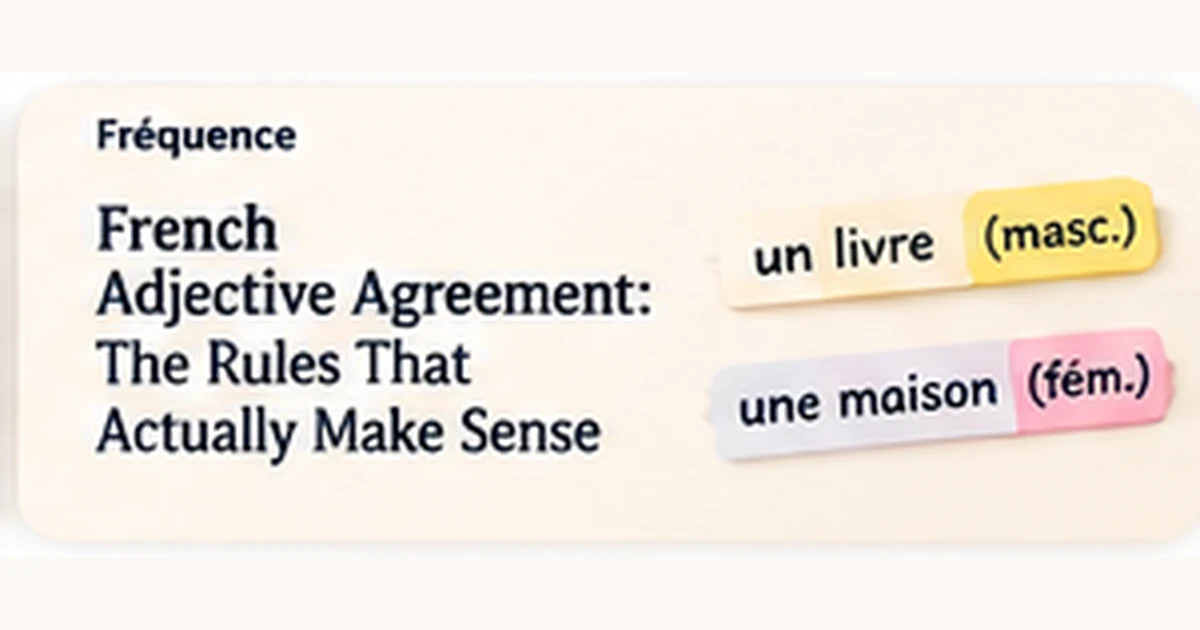
French Adjective Agreement: The Rules That Actually Make Sense
Learn how French adjective agreement works for gender and number, including the irregular forms that trip up most learners at every level.
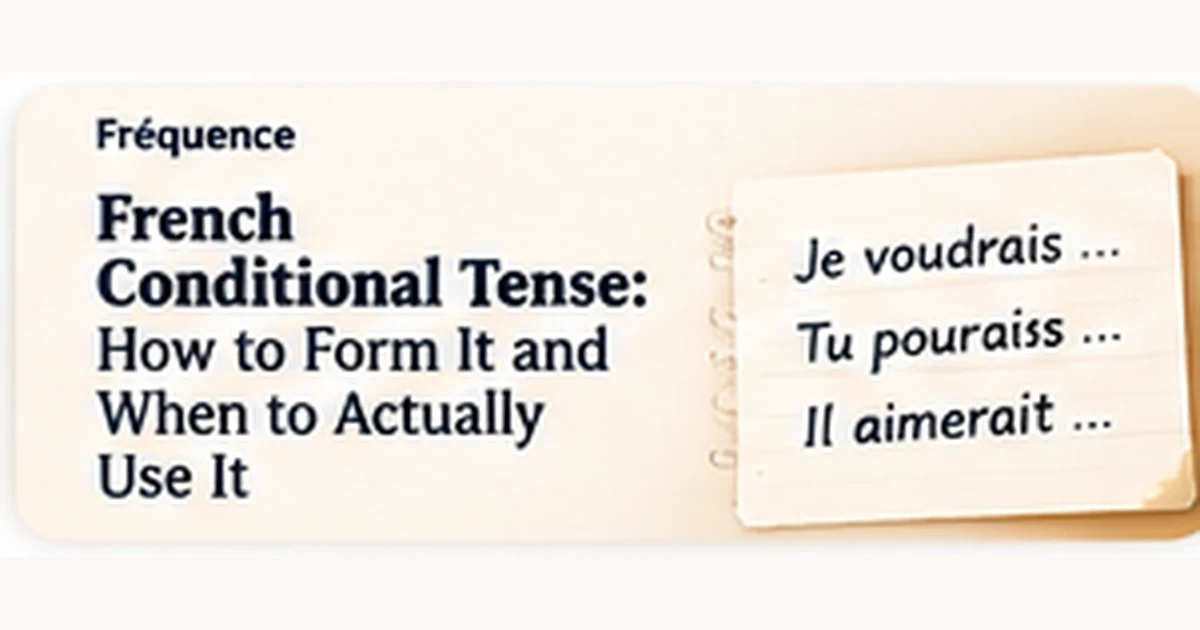
French Conditional Tense: How to Form It and When to Actually Use It
Learn how to form the French conditional tense, when to use it, and which verbs have irregular stems, with clear examples and a quick-reference table.
French B1 Vocabulary: How Many Words You Need and How to Learn Them
Find out exactly how many French words you need at B1 level, which vocabulary topics matter most, and the most effective ways to learn them.
The French Imparfait vs Passé Composé: How to Know Which One to Use
Learn the real difference between the French imparfait and passé composé with clear rules, examples, and a quick-reference table to stop second-guessing yourself.
French Listening Practice: Why You Plateau and How to Actually Improve
If your French listening comprehension has stopped improving, here is exactly why it happens and what to do differently to break through the plateau.
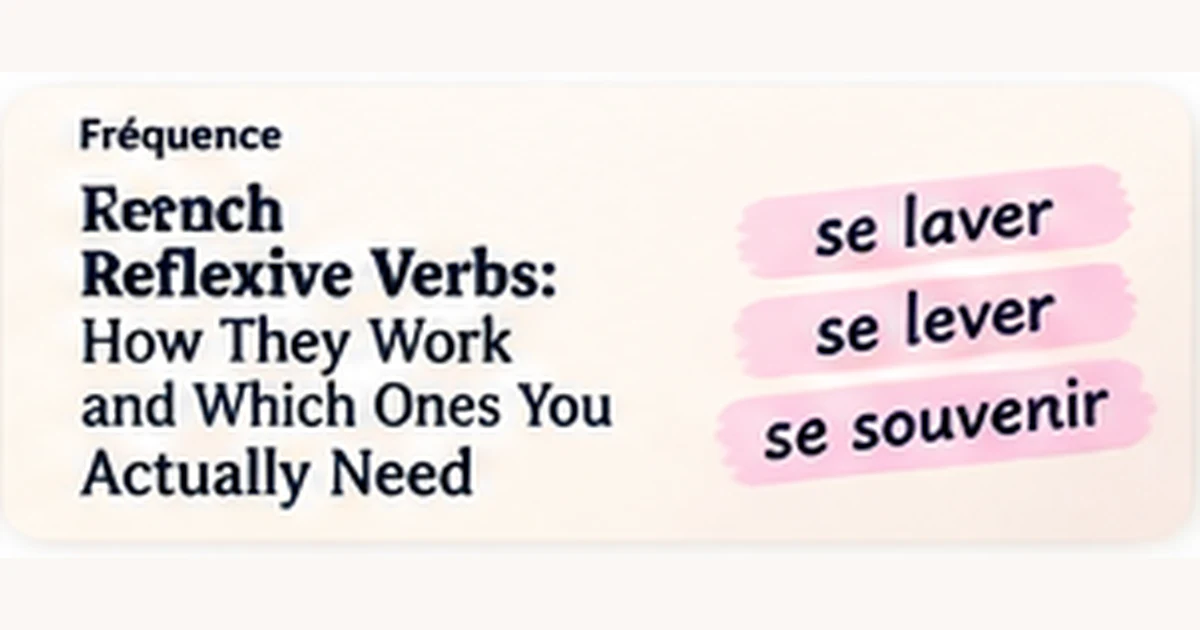
French Reflexive Verbs: How They Work and Which Ones You Actually Need
A clear guide to French reflexive verbs: what they are, how to conjugate them, which ones come up most often, and the common mistakes learners make.
French Avoir vs Être: Which Verbs Take Être in the Passé Composé (and Why)
Learn exactly which French verbs use être instead of avoir in the passé composé, how agreement works, and a simple method to remember them all.
French Prepositions With Countries and Cities: The Rules That Actually Stick
Learn exactly which French preposition to use before country, city, and region names, with clear rules and a reference table you can bookmark.
The Subjunctive in French: When You Actually Need It (and When You Don't)
A clear, practical guide to the French subjunctive: which triggers require it, which are optional, and how to stop second-guessing yourself.
How to Go from B1 to B2 French: What Actually Changes (and What to Do About It)
Stuck at B1 French and not sure how to reach B2? Here's exactly what shifts between the two levels and a realistic study plan to get there.
Masculine or Feminine? How to Know the Gender of French Nouns (Without Memorizing Every Single One)
Learn practical patterns and endings that predict the gender of French nouns most of the time, so you can make faster progress without brute-force memorization.
How to Study French for 20 Minutes a Day (and Actually Make Progress)
Short on time? Here's exactly how to structure a 20-minute daily French study session by level to make consistent, measurable progress.

Self-Taught vs Structured Course: How to Actually Reach B2 French
Comparing self-taught French vs a structured course to reach B2, with honest pros, cons, timelines, and a clear recommendation based on your goals.
TCF Canada vs TEF Canada: Which Test Should You Take for Express Entry?
Compare TCF Canada and TEF Canada side by side to decide which French proficiency test gives you the best CLB scores for your Express Entry application.
Why Can't I Understand Spoken French Even Though I Can Read It?
If you can read French but struggle to understand native speakers, you're not alone. Here's exactly why it happens and what to do about it.

Is French Hard to Learn for English Speakers? What the Research Actually Says
French is one of the easier languages for English speakers, but specific features like pronunciation and spoken speed create real obstacles. Here is what the research says.
Duolingo Isn't Enough: What to Add If You're Stuck at the Same French Level
If Duolingo hasn't moved your French forward in months, here's exactly what's missing and how to fill the gaps with structured practice.
How to Prepare for the TEF Canada Speaking Section (Section Orale)
A practical guide to the TEF Canada speaking section: what to expect, how it's scored, and the strategies that will actually improve your result.
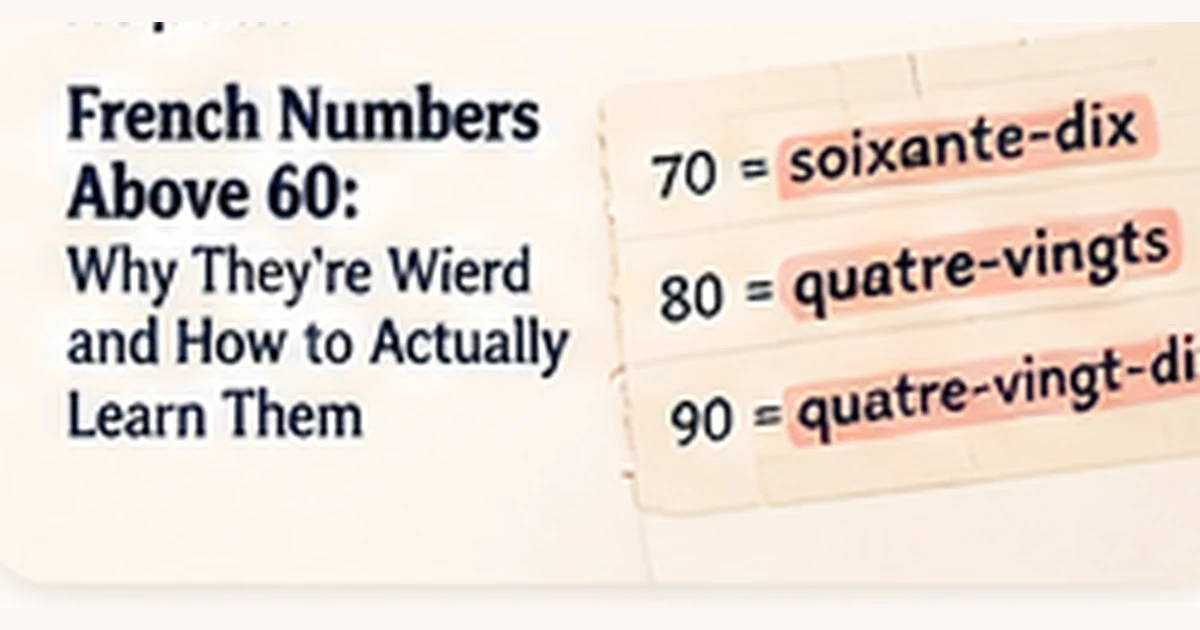
French Numbers Above 60: Why They're Weird and How to Actually Learn Them
Confused by soixante-dix, quatre-vingts, and quatre-vingt-dix? Here is a clear explanation of French numbers 70–99 with patterns, tables, and practical tips to memorise them fast.
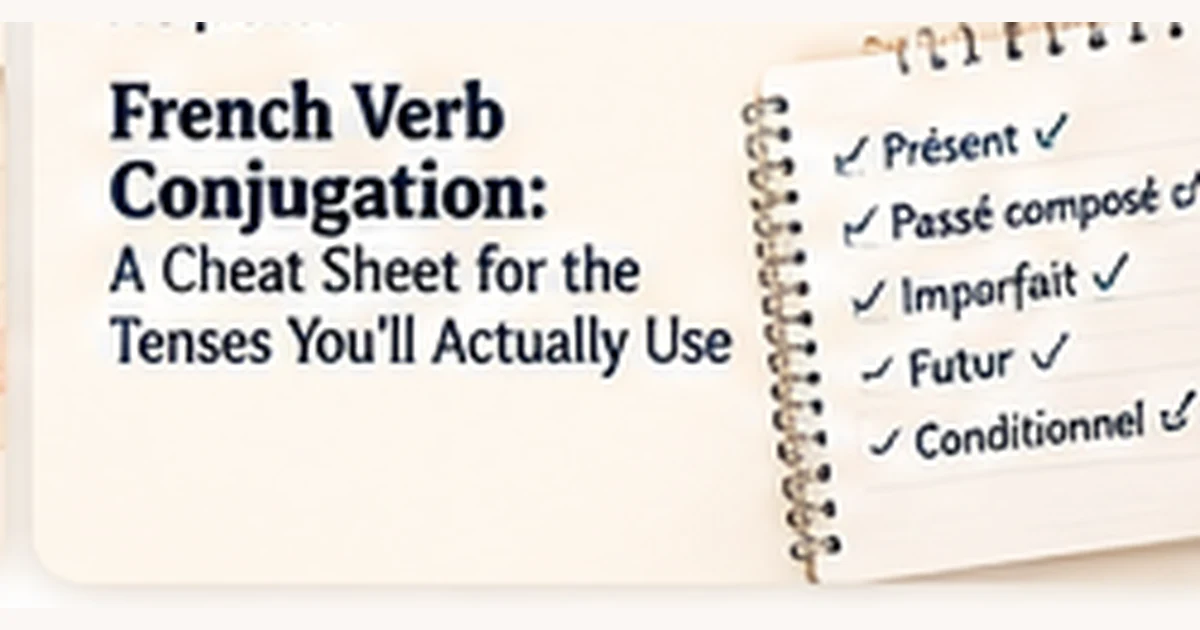
French Verb Conjugation: A Cheat Sheet for the Tenses You'll Actually Use
A practical French verb conjugation cheat sheet covering the 6 tenses that matter most, with tables, examples, and honest notes on what to learn first.

The French Civic/Citizenship Test: Vocabulary and Themes You Actually Need
A practical guide to the French civic exam vocabulary, key themes, and how to study efficiently so you pass the citizenship test the first time.
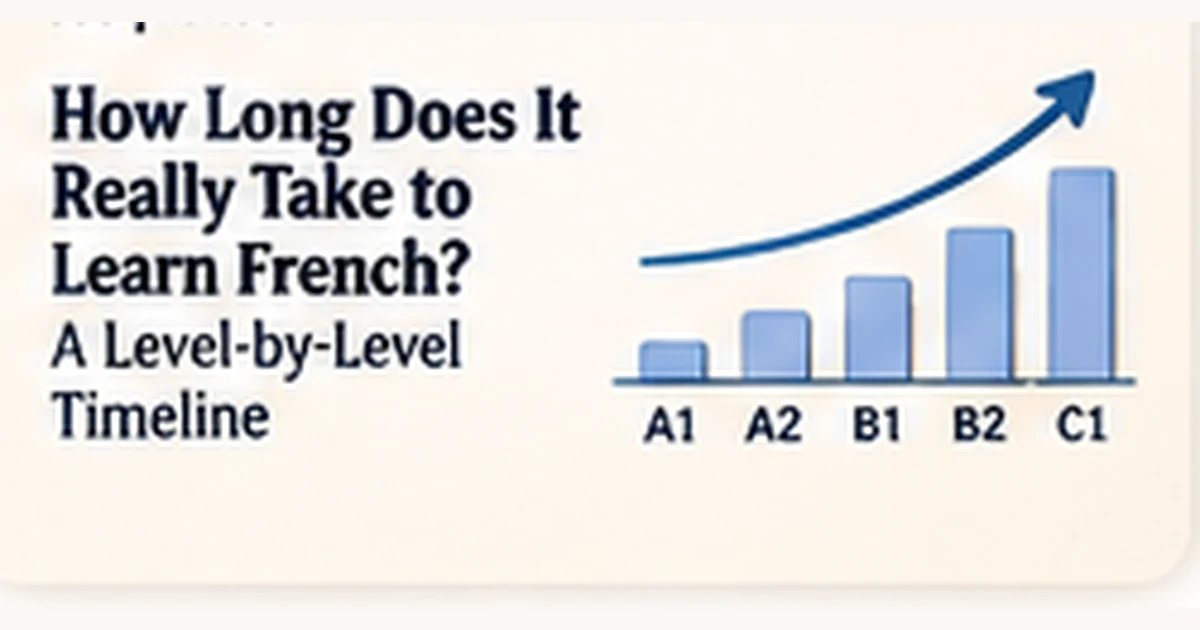
How Long Does It Really Take to Learn French? A Level-by-Level Timeline
A realistic, hour-by-hour timeline for learning French from zero to fluent, mapped to the CEFR levels (A1 to C1) and to real study routines.